Technology Primers

Technology primers offer a basic overview of the various types of renewable energy technologies that SEI references through our hands-on workshops and online courses. Click below each heading to learn more about it.


Solar Electricity

More Info >
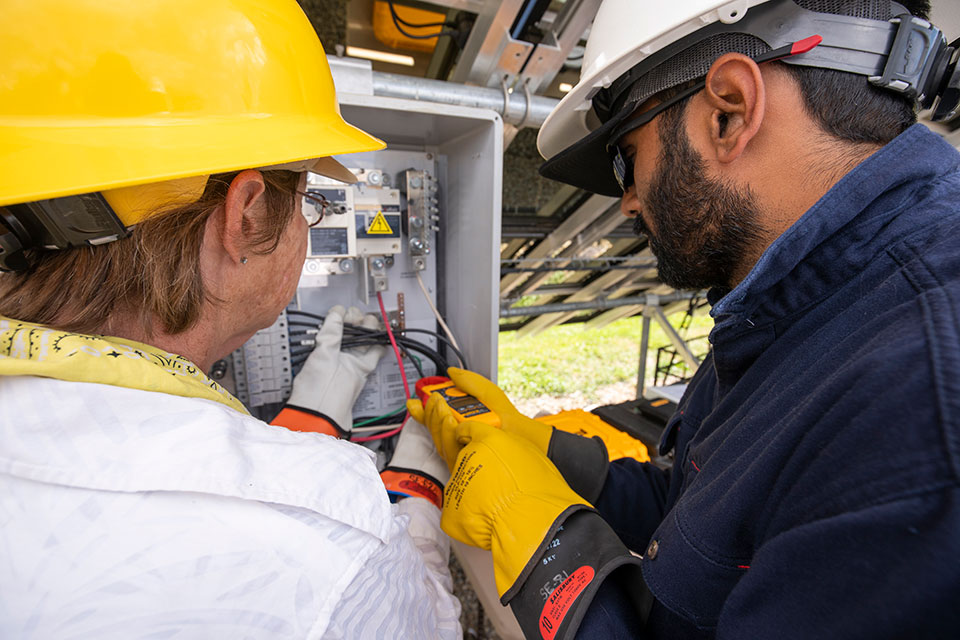
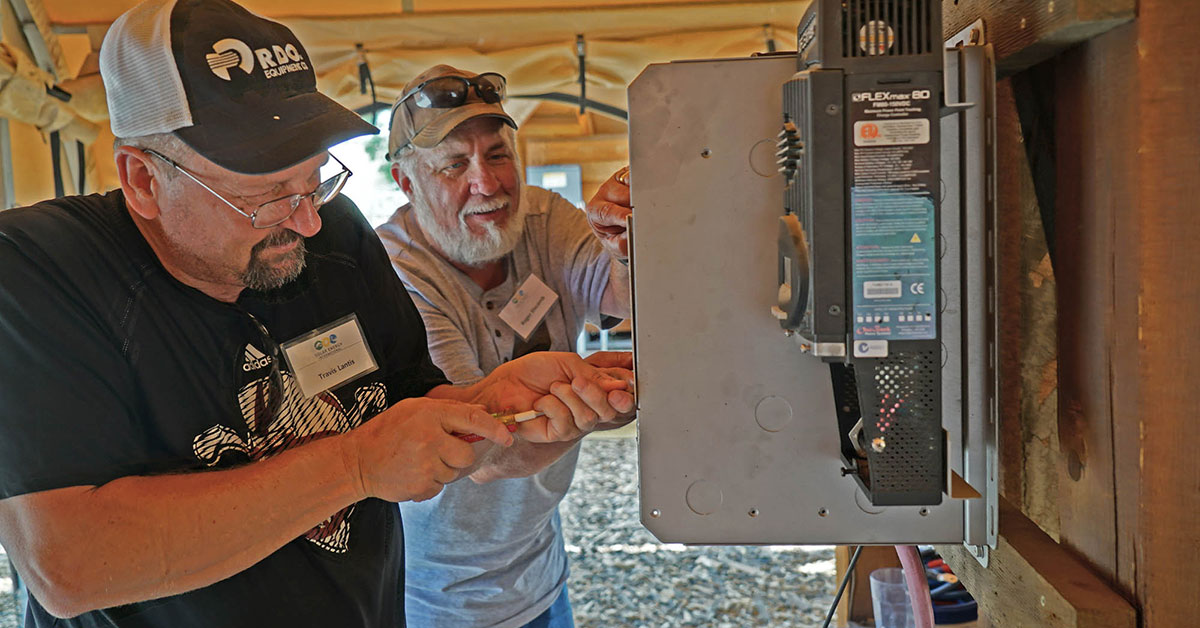
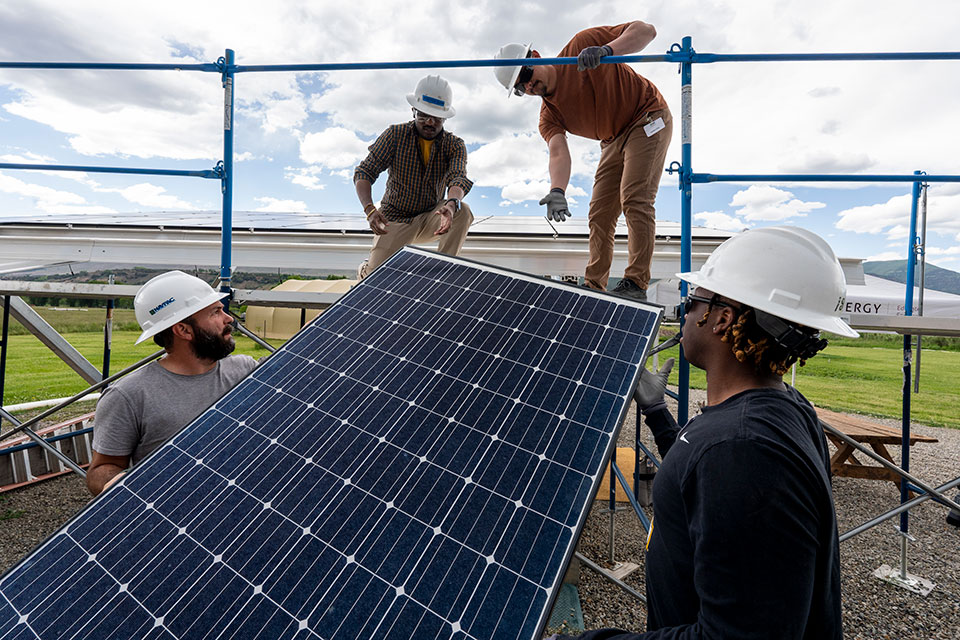
Photovoltaic systems are solar energy systems that produce electricity directly from sunlight via a process called the photovoltaic effect. 94% of all solar panels are made from crystalline silicon, the main material used in the semiconductor industry. PV modules generate direct current (DC) electricity, which is then converted into alternating current (AC) electricity by passing the current through an inverter. The AC current can then be used to power most home appliances. Photovoltaic (PV) systems produce clean, reliable energy without consuming fossil fuels and can be used in a wide variety of applications. A common familiar application of PV technology is providing power for watches and radios. Other exciting applications include communications, refrigeration for health care, crop irrigation, water purification, lighting, marine and air navigation, providing power for NASA’s shuttles and future planetary expeditions, utility power, and other residential and commercial applications.

Today, over 200,000 homes in the United States use some type of photovoltaic technology. Solar modules contribute power to 175,00 villages in over 140 countries worldwide, producing thousands of jobs and creating sustainable economic opportunities. In 2005, worldwide sales of photovoltaic products reached 15 billion dollars, continuing a five-year trend of 30% annual market growth. In the United States, 26 states now offer a solar rebate program. For a complete listing of state and federal incentives for solar products visit http://www.dsireusa.org

Wind Power

More Info >
Wind energy is a source of renewable power that is derived from the winds that move across the surface of the Earth. Wind turbines are able to harvest this energy source and convert it to power that can be used to provide electricity. Wind energy is said to be “green” because it produces energy with no pollution or greenhouse gas emissions. Wind energy is also sustainable because it requires no additional forms of fuel as long as the wind keeps blowing.

While it’s true that wind power is not an available power generating source 100% of the time, it is an integral part of our energy independent future. In Denmark, currently 20% of grid electricity is supplied by wind farms. In America, North Dakota alone has the potential to power 40% of America’s energy needs.

Micro-Hydro Power

More Info >
Micro-hydro is often called the holy grail of small-scale renewable energy systems. Whereas PV only works when the sun shines and wind only generates power when the wind is blowing, energy can be derived from micro-hydro systems 24 hours a day year round. If you have a reliable water source on your property, micro-hydro might be the most cost effective option. Micro-hydro systems convert the energy from falling water in a river or stream into usable electricity. All that is required to set up a micro-hydro site is falling water, piping, a turbine generator system, and wiring to connect the power to your home.

Sustainable Home Design

More Info >
There are several elements that can be incorporated into a newly built home or retrofitted in an older home to make it more ecologically sustainable. The integration of these elements can vary greatly in cost and implementation difficulty. Some of the elements that go into creating a sustainable home are energy efficiency, solar orientation and design, effective water use, and vegetation management. Energy efficiency can be addressed by reducing phantom loads (appliances that use electricity when they are not being used), replacing incandescent bulbs with compact fluorescents, investing in energy efficient appliances, and installing PV panels and solar hot water collectors. The fundamental principles behind any sustainable home design utilize the sun to both heat the home and provide ample day lighting. Careful attention should also be paid to proper insulation and the materials used in the construction of the home. Water can be more efficiently used by installing water conserving or dual flush toilets, low flow shower heads, and rain water collectors. Finally, a home should be designed to coexist with the surrounding native vegetation.

Rural Development

More Info >
Renewable energy technologies can greatly improve the lives of people in developing countries. Women spend a large part of their day gathering firewood with which to cook. They also contract respiratory and eye diseases from standing over smoky cooking fires all day. Smokeless metal stoves, biogas digesters, and solar cookers can greatly alleviate those problems. Solar food drying can help overcome problems with food preservation and seasonal food supply. Millions of lives that are lost each year due to water-related diseases can be saved by solar water purification and water distillation.

Electricity can also greatly improve people’s lives by improving education, health care, agriculture and industry. Though many rural communities will never have the electric utility grid, they do have access to the sun, wind and running water. When development projects are implemented in a sustainable way, incorporating education and training, renewable energy technologies can play a crucial role in people’s lives.

Natural Home Building

More Info >
Natural home building is not a new concept. For tens of thousands of years humans constructed their homes from the available and abundant local materials. Homes were built from the very earth, rock, and native vegetation that made up their surrounding landscape. With the advent of the Industrial Revolution, new construction materials that promised more strength for less cost, began to flood the market. The industrialization of building resulted in an enormous increase in the amount of new home construction. Unfortunately, there are many negative side effects that go along with this industrialized building process. The manufacture and transportation of building materials are significant contributors to environmental problems. Manufactured products, such as PVC, carpeting, and pressure-treated wood, are all toxic to the workers in the factories where they are produced and to the builders who handle them during the construction process.

Fortunately, there is a way to create homes that are environmentally friendly, low-cost, and sustainable. Natural building creates healthy and beautiful homes through the use of local materials and ancient building practices. Homes can be built from straw bale, cob, adobe, pressed block, rammed earth, and natural plasters. These homes also seek to incorporate the natural surrounding vegetation of the area by having permaculture gardens and living roofs.

Solar Thermal

More Info >
Whereas solar photovoltaic technology deals with the direct conversion of sunlight to electricity, solar thermal systems use the sun’s heat. Water heating can constitute up to 25% or more of a home’s energy expenditures. By installing a solar hot water system, the annual operating costs to heat a home can be reduced by 50%-80%.

The basic design of a solar thermal system includes a solar thermal collector that consists of a metal box with a glass or plastic cover and an absorber plate that is painted black to absorb as much sunlight as possible. Cold water is pumped from the bottom of a storage tank and heated as it passes through the thermal collector. Through this constant pumping and circulating action a storage tank can be pre-heated for household use. Solar thermal technology can also be used to heat pools and provide radiant solar heating for a home.

Renewable Fuels

More Info >
Currently, automobiles are run mostly with unleaded gasoline and standard diesel. These are non-renewable resources that will one day run out. But there are various renewable alternatives that can be used to power an automobile such as biodiesel, straight vegetable oil, ethanol, hydrogen fuel cells, and electricity. Through the use of these alternative fuels our reliance on imported petroleum products will decrease, as well as the harmful carbon dioxide emissions released into the atmosphere.

Biodiesel is a clean burning alternative fuel made by separating the fat out of oil from common crops such as corn and soy. Biodiesel is biodegradable, non toxic, and essentially free of pollutants. Straight vegetable oil, although not an EPA-certified motor fuel, also can power diesel engines after it has been filtered. E85 fuel is made with a mixture of 85% ethanol mixed with 15% gasoline. Ethanol is an alcohol-derived product made from corn and other vegetables. Although ethanol is made from a renewable source it requires a substantial amount of petroleum to produce it. Hydrogen fuel cells might be the fuel of the future. They harness the chemical energy of hydrogen and convert it to electricity that can run an automobile with no combustion or harmful emissions. But because it requires energy in order to create the hydrogen used in fuel cells they can only be as clean as the energy used to produce the hydrogen in the first place. Finally, electric cars use electric motors powered by batteries. These batteries can be charged through other renewable sources such as wind or solar power.